Reflect
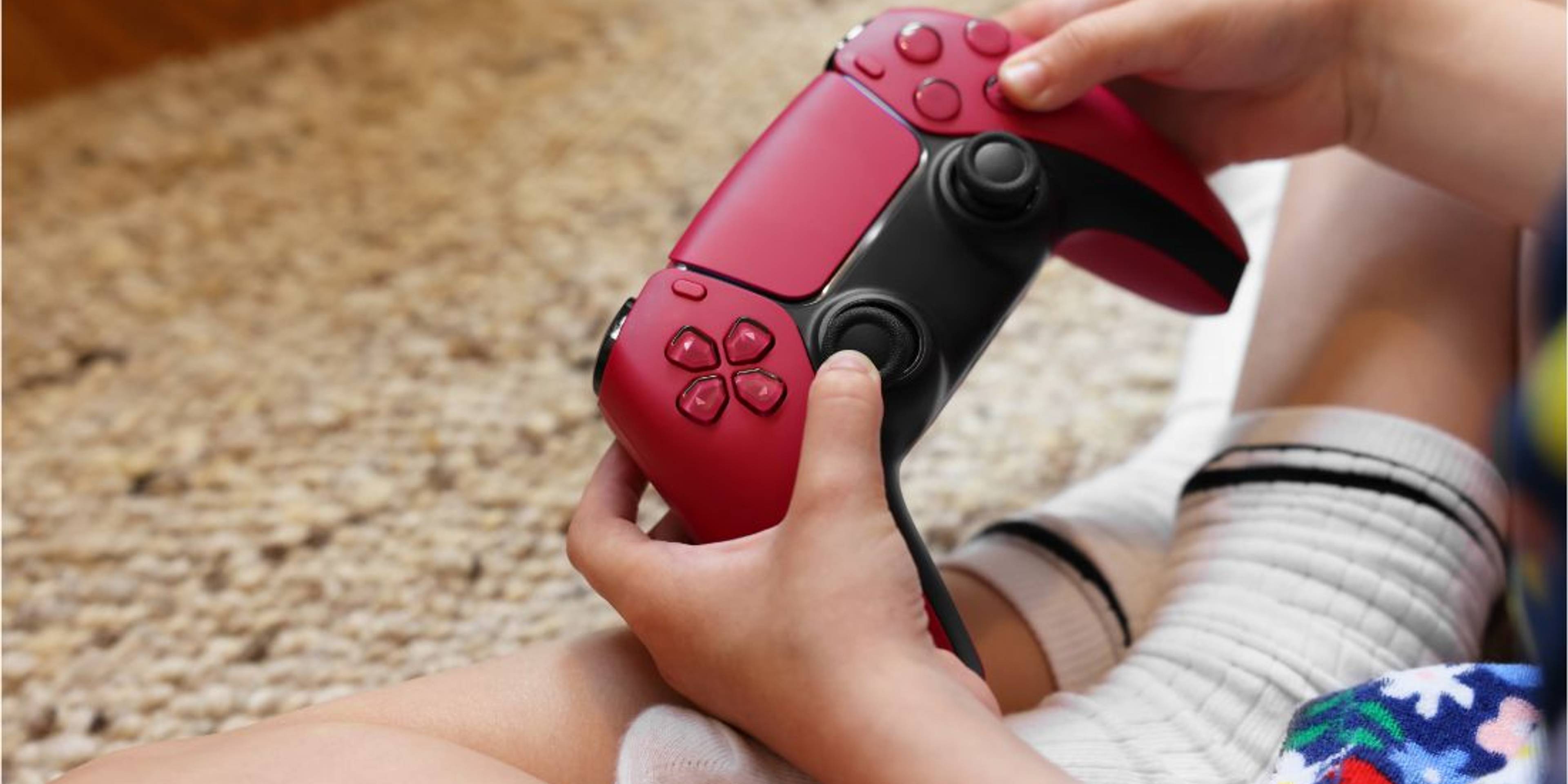
Whilst we might have knocked on our mate’s door or hogged the landline as soon as we walked through the door after school, online gaming is often now where our children meet up with friends.
Recent UK research shows that British teenage boys spend more time gaming than doing their homework (certainly the case in my house). With an estimated 3.2 billion gamers worldwide, digital play is a key, and often beneficial, pastime (as it is for many adults too). Whilst us parents might feel frustrated if our child chooses the screen over the sunshine or fails to get to the table on time for dinner because they are in the middle of a battle royale, research consistently shows that well-designed and age-appropriate computer games can support children’s wellbeing.
When they are playing games, children are also often developing key life skills: cooperation, communication, emotional regulation to name a few. For some children, gaming can provide a genuine social lifeline and offer a sense of belonging that they may not experience elsewhere. And as psychologist and gaming expert, Professor Pete Etchells, told us in a Tooled Up webinar, for many young people, especially those who are neurodivergent, gaming can offer a calm, structured and soothing space to organise thoughts, decompress and recharge.
The key here though, is ‘well-designed’. Things have shifted in how games are built and there are now a whole raft of problematic practices in video game design. Games are, of course, developed by money-making companies. But the way games are monetised has changed dramatically over the last twenty years. In the past, revenue aligned with play itself: you bought a game, and then you played it. Today, many popular games (especially mobile titles) are free to download, but designed to encourage ongoing spending once players are emotionally invested.
Players can unlock items, move ahead more quickly or gain status through in-game payments. Adverts, reward systems and loot boxes are now common features. Achievement is now connected with continued play and sometimes, often even, with real money. Professor Etchells told us that research has shown that whilst gameplay linked to intrinsic motivations (playing for fun, curiosity or social connection) tends to be associated with enhanced wellbeing, extrinsic motivations like chasing loot boxes or maintaining streaks are associated with wellbeing drops.
These mechanics, which use chance, anticipation and variable rewards to keep players engaged, are borrowed from gambling, and the recently published 2026 Betting on Boys report from Common Sense Media highlights just how common these gaming experiences have become. Among boys aged 11–17, nearly a quarter had engaged in gaming-related gambling and over half had spent real money on chance-based in-game items. Many also encountered gambling content online without ever seeking it out through algorithmic recommendations.
The rest of this week’s Wednesday Wisdom is written by Patrick Foster, founder of Gam-Ed. Patrick visits hundreds of schools and businesses each year, using his own story and experiences of living with a gambling addiction to empower others to make more informed choices. We asked Patrick for his insight on how an understanding of the intersection between gambling and gaming, and early conversations with our children, can make a lasting difference.
Motivate
One of the things I have learned, both personally and professionally through my work with GAM-Ed, is that behaviours rarely change overnight. What starts as fun can shift quietly and gradually. This isn’t because children are reckless, but because their brains are still developing, and the systems they are engaging with are frequently designed to reward persistence, emotional investment and risk-taking.
Anticipation activates the brain’s reward system just as powerfully as winning itself. For young people, whose impulse control systems are still under construction, this can create a powerful pull, and a pressure to spend which can lead to financial and emotional consequences.
Loot boxes are the clearest example. These digital “mystery boxes” can be bought with real money, offering a random chance of receiving a desirable in-game item. The rarity of the reward is part of the appeal. Common items are frequent. Rare, epic or legendary items are scarce, and therefore carry status and prestige. Children and teens are often motivated to buy loot boxes by social factors, wanting to keep up with friends, gain status or avoid missing out, as well as to progress faster in the game or have an enhanced gaming experience. A 2021 report from Gamble Aware also noted that players are often nudged towards purchasing via a number of well-known psychological techniques employed by the game designers. These include giving away ‘free’ loot boxes but then charging for opening, price anchoring, special limited-time offers or items, and obfuscation of costs by using in-game currencies.
The same report found that loot boxes are linked to higher risks of problem gambling, particularly among a small number of heavy spenders. It’s important to note that this doesn’t mean loot boxes cause gambling problems. Other factors, like impulsivity or prior gambling experience, play a role. Early signs also suggest links to wellbeing, anxiety and stress, especially for young players.
Governments are aware of the issue. In some countries (like Australia), legislation is now in place to ban ‘gambling-like’ features from games, yet even here, there remains widespread non-compliance. In the UK, a rapid evidence assessment for the Department for Digital, Culture, Media and Sport recommended clearer labelling, transparency about odds and age‑appropriate limits to help children stay safe, along with tools that let families monitor and manage in‑game spending. The updated relationships, sex and health education (RSHE) statutory guidance also requires schools to teach children about monetisation in games and financial harms. Understanding the kinds of strategies being used in game design can help to give both educators and parents the knowledge needed to support children as they play.
When I take this work into schools through GAM-Ed, the response from young people is often revealing. At first, there is humour. Students laugh about “spending a tenner on skins” or staying up too late for “just one more go”. But when we explore how loot boxes work, the tone changes. There is usually a moment, sometimes subtle, sometimes visible, where recognition lands. A hand goes up. A student says, “I didn’t realise that counted” or, “That’s exactly what happens to me”. What strikes me most is their honesty. Given the chance, young people are remarkably reflective, and many are relieved to talk openly without feeling judged.
What concerns me most, and what we see repeatedly in our education work, is that teens often don’t notice the impact of in-game spending until or unless it becomes more problematic. For parents, this can show up as unexpected charges on a credit card, frustration or distress when a purchase can’t be made, or a growing desire to buy upgrades and rewards.
From lived experience, I know that vulnerability is often about exposure, opportunity and timing. Looking back, I can see how what started as fun, social and rewarding slowly became compulsive and isolating. As a young person, I did not see gambling as a risk. It was only later, in recovery, that I understood how early patterns of chasing, anticipation and emotional escape had taken root much earlier. Recognising this much earlier could have really helped.
Support
The most effective protection parents can offer is understanding and connection. Children benefit enormously when adults take a genuine interest in how their games work, not just how long they are being played.
Ask curious, non-judgemental questions: What happens if you don’t buy that? How does the game make money? What do you enjoy most about it? Ask them to explain how they spend money in games or with friends, and listen for patterns: Are they chasing rare items? Betting with peers? Spending more than planned? This helps young people reflect on their own experiences rather than feel criticised. If we can try to have constructive conversations about purchasing in-game currency, we are more likely to agree sensible ground rules together, perhaps setting reasonable spending limits, rather than simply banning it. Practical steps matter too. We can turn off in-app purchases, use parental controls (though remember that these are not a magic bullet) and chat about age ratings. Talk openly about why these boundaries exist and revisit them regularly as children grow.
Just as importantly, young people need help to build emotional awareness. Helping them notice when gaming feels fun, and when it starts to feel stressful, frustrating or compulsory, is a powerful skill. Talk about emotional regulation openly. You might invite them to rate their mood before they join the game and then again when they leave. Has it given them a boost? Made them feel cross? What’s the impact been? If you notice any issues, you or they might even journal or chart this over a period of time and explore what the impact has been and why. Learning to pause and reflect protects not only against gambling harm, but against many forms of unhealthy coping later in life.
You can find advice about starting conversations about gambling on the Big Deal website, and YGAM (Young Gamers and Gamblers Education Trust), provide information on their website about how to talk to children of different ages about gaming and gambling.
Children have always needed to learn how to handle temptation, setbacks and risks. These days, a lot of that happens online, and this can feel daunting for us. Let’s try to remember that we don’t need to be experts in gaming or gambling to support them. Paying attention, asking curious questions and talking things through can make a real difference.
Are you a Tooled Up member?
Anyone interested in learning more about gaming and gambling can browse through the following resources:
The Truth about Gaming with Professor Pete Etchells
The Benefits of Gaming with Andy Robertson
Teaching Young People About Gambling