Reflect
Learning to drive is one of the biggest milestones in a young person’s life. But what many parents may not realise is that the day their teenager passes their driving test also marks the beginning of one of the riskiest periods of their driving life. In this week’s Wednesday Wisdom, Dr Elizabeth Box, behavioural scientist and road safety expert, explores why this happens and how parents can help their teenagers become safer drivers, both before and after the test.
Think for a moment about what passing the driving test means to a young person. The excitement, the relief, perhaps the immediate thought of all the places they could go without someone supervising them from the passenger seat. For many young people, getting their licence represents freedom, independence and new opportunities. And for parents, perhaps a welcome reduction in taxi duties!
Yet while passing the test is an important achievement, it doesn’t mean that a young driver has all the experience they need to navigate the roads safely on their own. Research suggests that around one in eleven new drivers is involved in a collision during their first six months of independent driving. How can that be, when they’ve just demonstrated that they can drive? The answer lies in an important distinction between being qualified to drive and having the experience needed to drive safely.
It’s tempting to assume that young driver collisions are largely about risk-taking, speeding or showing off in front of friends. These behaviours certainly matter, but they aren’t the whole story. Inexperience itself is a major factor. Driving is remarkably complex. Experienced drivers make hundreds of small judgements almost automatically, anticipating hazards, reading other road users’ behaviour and adjusting to changing conditions. New drivers are still developing these skills, often while navigating unfamiliar roads, distractions and the social pressures that come with being a teenager. And that’s why passing the driving test cannot be the end of the learning journey.
The encouraging news is that parents can make a real difference. Research shows that parental involvement can help young people develop safer driving behaviours, both during the learner period and after passing their test. The question isn’t simply how we help our teenagers pass their driving test, but how we support them through the equally important learning that happens afterwards.
Motivate
Parents sometimes assume that once their teenager starts lessons with a professional instructor, their own role becomes relatively limited. But there are important opportunities to support safer driving, from the experience young people gain as learners to the expectations and habits they develop once driving independently.
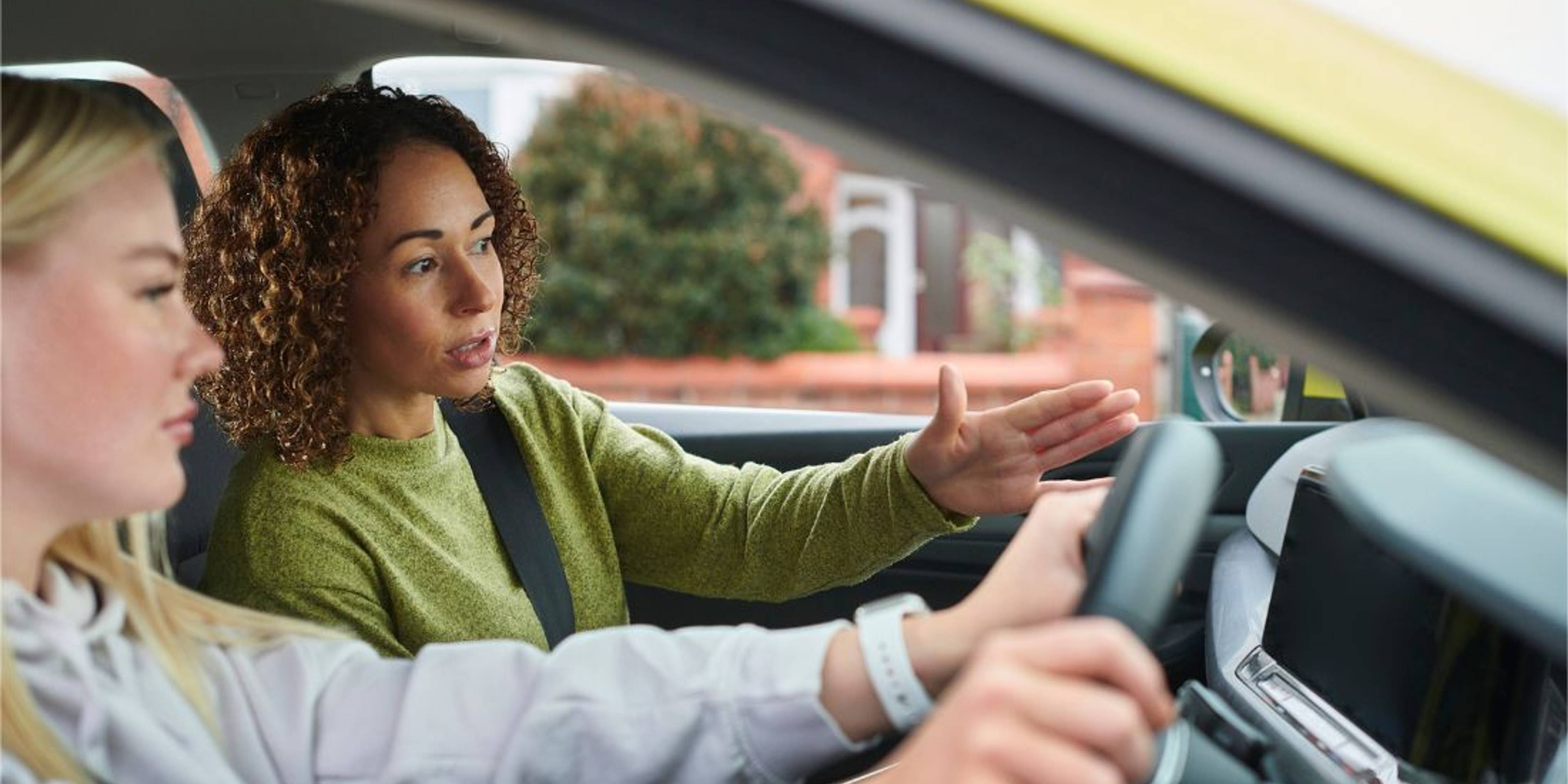
We can make the most of the learner period. Driving lessons understandably concentrate on developing the skills needed to control a vehicle and meet the driving test standard. But safe driving involves much more than mastering manoeuvres, roundabouts and parking. It means learning to anticipate what might happen next, recognise developing hazards, manage distractions and make good decisions in unfamiliar situations. These skills develop through experience.
The DVSA’s Ready to Pass? campaign highlights the value of combining professional lessons with private practice. As a broad guide, it refers to around 45 hours of professional instruction alongside 22 hours of additional practice, although individual needs vary.
But it’s not just about clocking up hours. The variety and quality of practice matter too. Experiencing different roads, traffic conditions, weather and lighting can help learners develop the skills and confidence they’ll need when driving alone. And even if supervising practice isn’t possible, parents can help teenagers think more actively about the driving environment by talking through potential hazards when travelling together.
Remember, they’re watching you. Another important influence begins long before the first driving lesson, through our own behaviour behind the wheel. Young people spend years observing how their parents drive. They notice whether we occasionally check our phones, creep over the speed limit or become impatient with other road users. They also notice when we remain calm, anticipate hazards and give other road users space.
From a behavioural science perspective, these everyday examples help establish what young people see as normal driving behaviour. It’s worth asking ourselves: What have my children learned about driving from watching me?
Independence doesn’t have to happen overnight. Perhaps the biggest change comes after the driving test. Suddenly, the teenager who needed an adult beside them yesterday can drive independently today. They might want to give friends lifts, drive late at night or travel somewhere unfamiliar. Yet their experience hasn’t magically transformed overnight.
International evidence on graduated driver licensing shows the benefits of introducing higher-risk driving situations gradually, particularly those involving peer passengers and night-time journeys. Families can adopt a similar approach themselves. For example, parents and teenagers might agree to avoid carrying friends of a similar age late at night during the first three to six months after passing the test, gradually relaxing these arrangements as experience builds. A simple parent-young driver agreement (which you can also find on the Tooled Up platform) can be a useful way of discussing and agreeing these expectations together, including when and how they will be reviewed.
This isn’t about imposing endless restrictions. It’s about giving young people the opportunity to build experience and confidence before taking on more challenging driving situations. The goal isn’t to limit independence, but to help young drivers develop it safely.
Support
Supporting a young driver doesn’t require specialist knowledge or constant supervision. Small, practical actions, introduced at the right time, can make a meaningful difference. Here are five things you can try.
Make practice purposeful. If you’re supervising your teenager’s driving, work with their instructor to identify the experiences they would benefit from. Gradually introduce more challenging situations, rather than always sticking to familiar routes. Afterwards, instead of focusing on mistakes, try asking: “Was there anything about that journey that surprised you?” “What did you find most challenging?” “What would you do differently next time?” Encouraging young people to reflect helps them develop their own judgement, rather than simply following instructions.
Help them think ahead. Good drivers don’t just react to hazards; they anticipate them. You can help develop this skill long before your teenager starts driving. When they’re travelling as a passenger, encourage them to observe what’s happening on the road by asking questions such as, “What might that pedestrian do next?” or “What could happen if that car changes lanes?” This helps build their ability to anticipate potential hazards without adding to the demands of learning to drive.
You can also encourage simple if-then plans for challenging situations, for example, “If I’m running late, then I’ll accept being late rather than rushing” or, “If my friends are distracting me, then I’ll ask them to stop or pull over somewhere safe”. Thinking through situations in advance can make safer decisions easier in the moment.
Agree expectations before their test. Don’t wait until your teenager has passed to start discussing independent driving. Talk about night-time journeys, giving lifts to friends, phone use and what to do when feeling tired or under pressure. The parent-teen driving agreement mentioned above can help establish expectations, with opportunities to review them as experience grows. The important thing is to develop an agreement together. Young people are more likely to engage when they understand the reasons behind decisions and feel their views have been heard.
Keep talking after the L-plates come off. Passing the test doesn’t mean young people no longer benefit from advice. Try asking about their journeys in a curious, rather than critical, way. Have they encountered anything unexpected? Is there a situation they’d like more practice with? It’s also worth continuing to drive together occasionally or arranging an additional lesson with an instructor to help build experience and confidence.
Make it easy to choose safety. Perhaps your teenager is uncomfortable giving friends a lift, has stayed out later than expected or is feeling too tired to drive home. Knowing they can call you for advice or help, and that you’ll respond calmly and supportively, can make it easier to prioritise safety over social pressure.
Simple everyday habits matter too: planning journeys, checking the weather, keeping phones out of reach and maintaining the vehicle. These small actions help establish the routines that underpin safer driving.
A final thought… Watching a teenager become an independent driver can feel like another significant step towards letting go. But independence and parental involvement aren’t opposites. The nature of our support simply changes as young people gain experience. The aim isn’t to remain a permanent driving instructor in the passenger seat. It’s to help young people become capable, thoughtful drivers who recognise risks, make good decisions and know when to ask for help.
Learning doesn’t stop when the L-plates come off. And neither does the positive influence parents can have.
Are you a Tooled Up member?
Join our upcoming webinar: From Learner to Licensed: How Parents Can Help Young Drivers Stay Safe on Monday 9 November 2026 at 12.30–1.30pm GMT
Join Dr Elizabeth Box for a practical, evidence-informed exploration of how parents can support young drivers, from their first lessons through to the crucial first year of independent driving. We’ll explore the latest research on young driver risk, supervised practice, parental influence and how families can manage the transition to independent driving. You’ll leave with practical strategies to help your teenager become not just a licensed driver, but a safer driver for life.
You might also be interested in:
10 Ways to Help a Nervous Teen Ahead of Their Driving Test
For educators:
Safety for Young Drivers: Presentation Material for Sixth Formers
Keep your eyes peeled for more lesson materials as we hope to be producing more content with Dr Box in the future!